
Journal
The Casa Verde Journal explores the ideas, spaces, and lifestyles that shape remarkable homes. From architectural insights to design inspiration and reflections on modern Mediterranean living, the journal offers a deeper look into the world behind every residence.
Here, we share stories about architecture that respects its surroundings, interiors that celebrate craftsmanship, and homes that encourage a slower, more intentional way of living.
Journal
The Casa Verde Journal explores the ideas, spaces, and lifestyles that shape remarkable homes. From architectural insights to design inspiration and reflections on modern Mediterranean living, the journal offers a deeper look into the world behind every residence.
Here, we share stories about architecture that respects its surroundings, interiors that celebrate craftsmanship, and homes that encourage a slower, more intentional way of living.
All
Places & Landscapes
Property Insights
Lifestyle
Interior Design
Architecture
Architecture
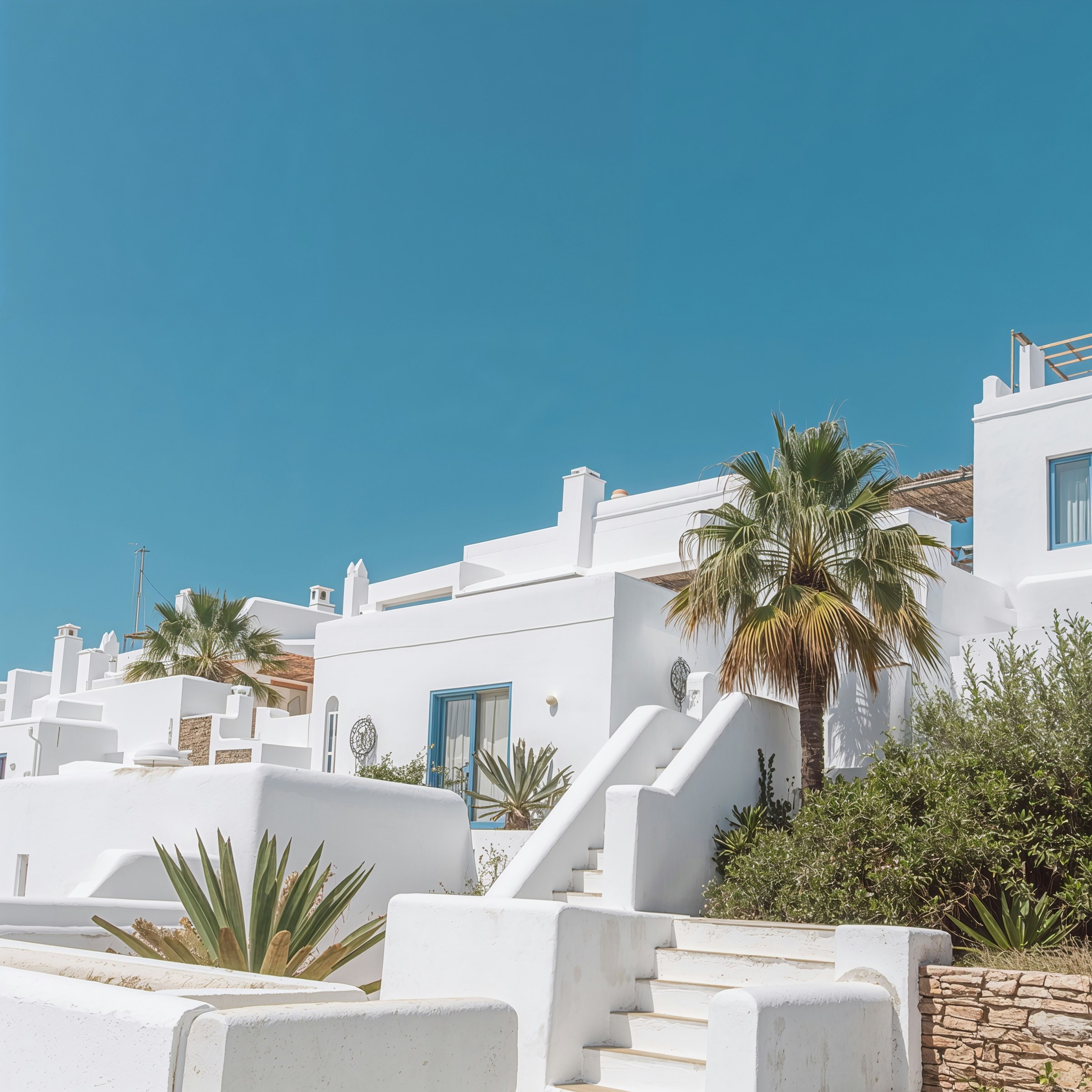
The Timeless Appeal of Mediterranean Architecture
One of the most recognizable features of Mediterranean architecture is its emphasis on form and texture. Curved arches, clay roof tiles, and thick plastered walls create structures that feel both sculptural and grounded. These details are not only aesthetic but also functional, helping regulate temperature and provide shade.
Courtyards play a central role in many designs. Positioned at the heart of the home, they bring light and fresh air into interior spaces while offering a private outdoor retreat. Fountains, greenery, and stone pathways add to the tranquil atmosphere.
Modern interpretations of Mediterranean architecture often preserve these traditional elements while introducing larger openings, minimalist interiors, and sustainable materials. The result is a style that respects its heritage while adapting to contemporary lifestyles.
Interior Design
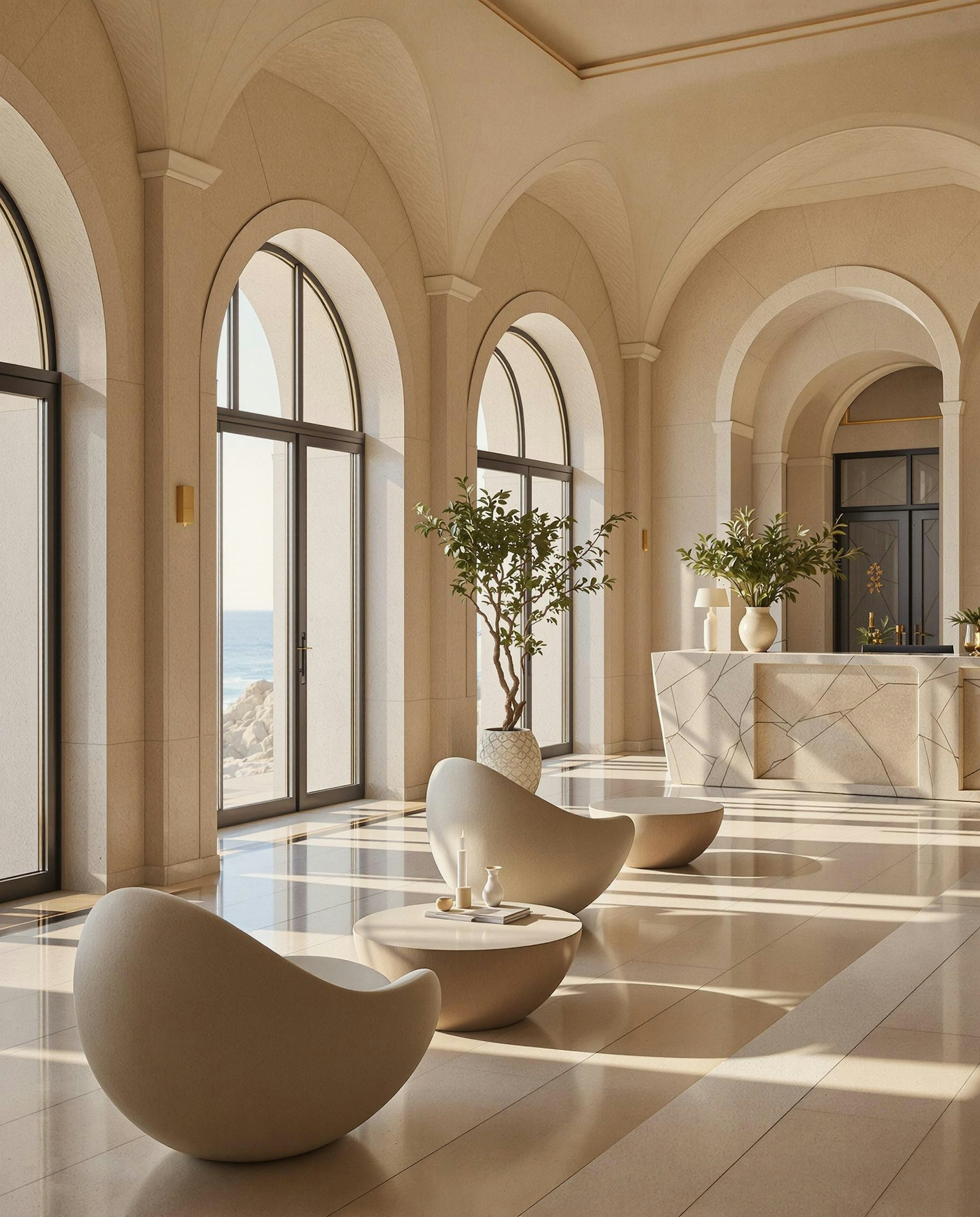
The Calm Elegance of Mediterranean Interiors
Light is one of the most important elements in Mediterranean interiors. Large windows, tall doors, and open layouts allow sunlight to move freely through the home, creating spaces that feel bright and airy throughout the day.
Natural materials bring warmth and authenticity to each room. Limestone floors, wooden ceiling beams, and textured plaster walls create subtle layers of detail while maintaining a calm visual palette. These materials age gracefully and often become more beautiful over time.
Furniture is typically minimal yet carefully chosen. Comfortable seating, handcrafted tables, and soft textiles create an inviting environment that encourages slow living and social gatherings. The overall effect is an interior that feels serene, balanced, and deeply connected to its surroundings.
Property Insights
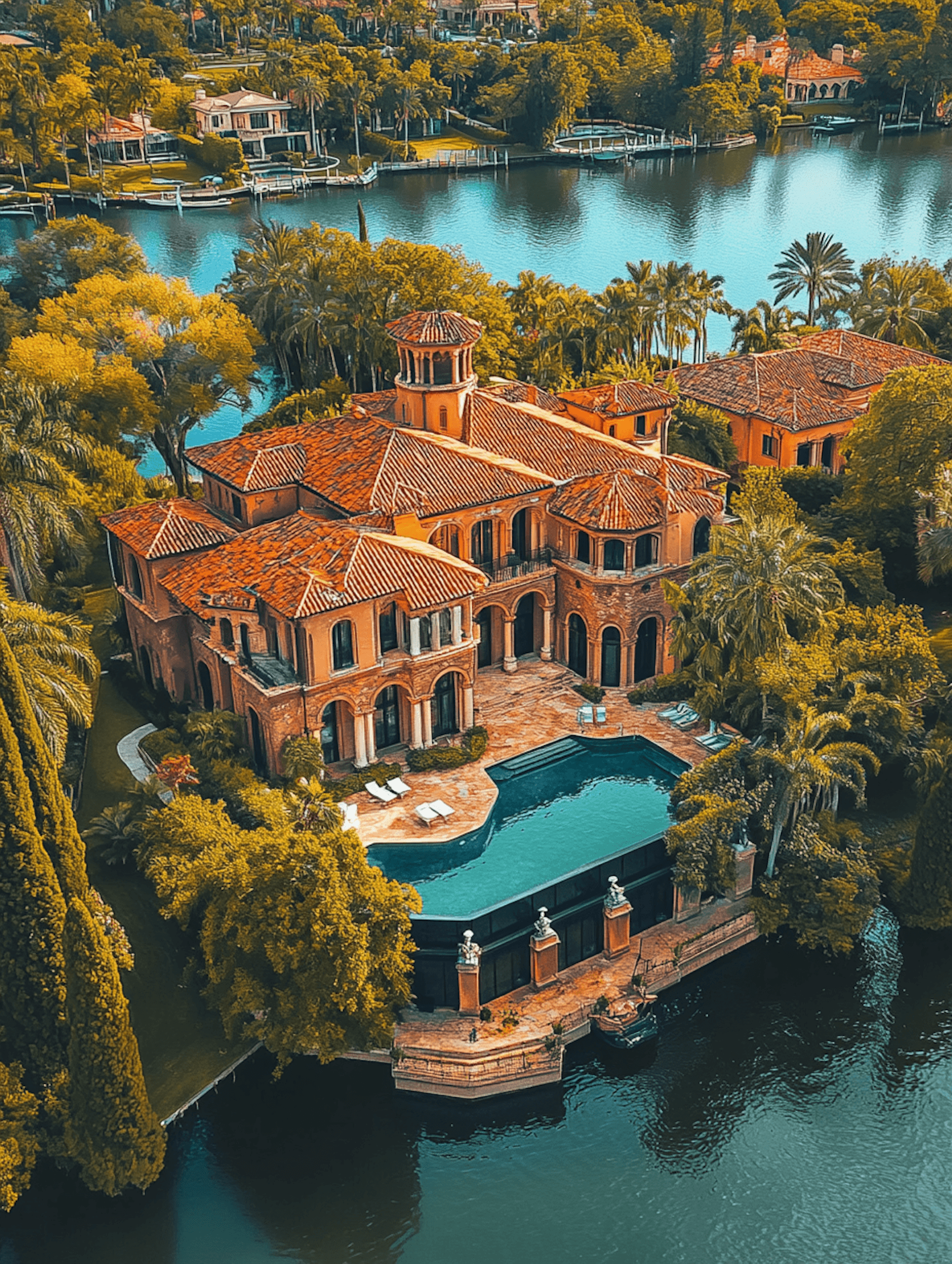
What Defines a Truly Exceptional Mediterranean Property
A standout Mediterranean property often begins with its setting. Elevated plots with open views, proximity to the coastline, or quiet hillside locations immediately increase a home's desirability. Orientation toward the sun and natural ventilation also play a significant role in creating comfortable interiors throughout the year.
Equally important is the architectural integrity of the home. Authentic features such as arched openings, terracotta roofs, and handcrafted stonework add character and a sense of heritage. When paired with modern interiors and updated infrastructure, these elements create a property that feels timeless yet functional.
Outdoor living is another defining factor. Spacious terraces, gardens with native vegetation, and private courtyards transform the exterior into an extension of the home. For many buyers, these outdoor spaces are just as valuable as the interiors themselves.
Places & Landscapes
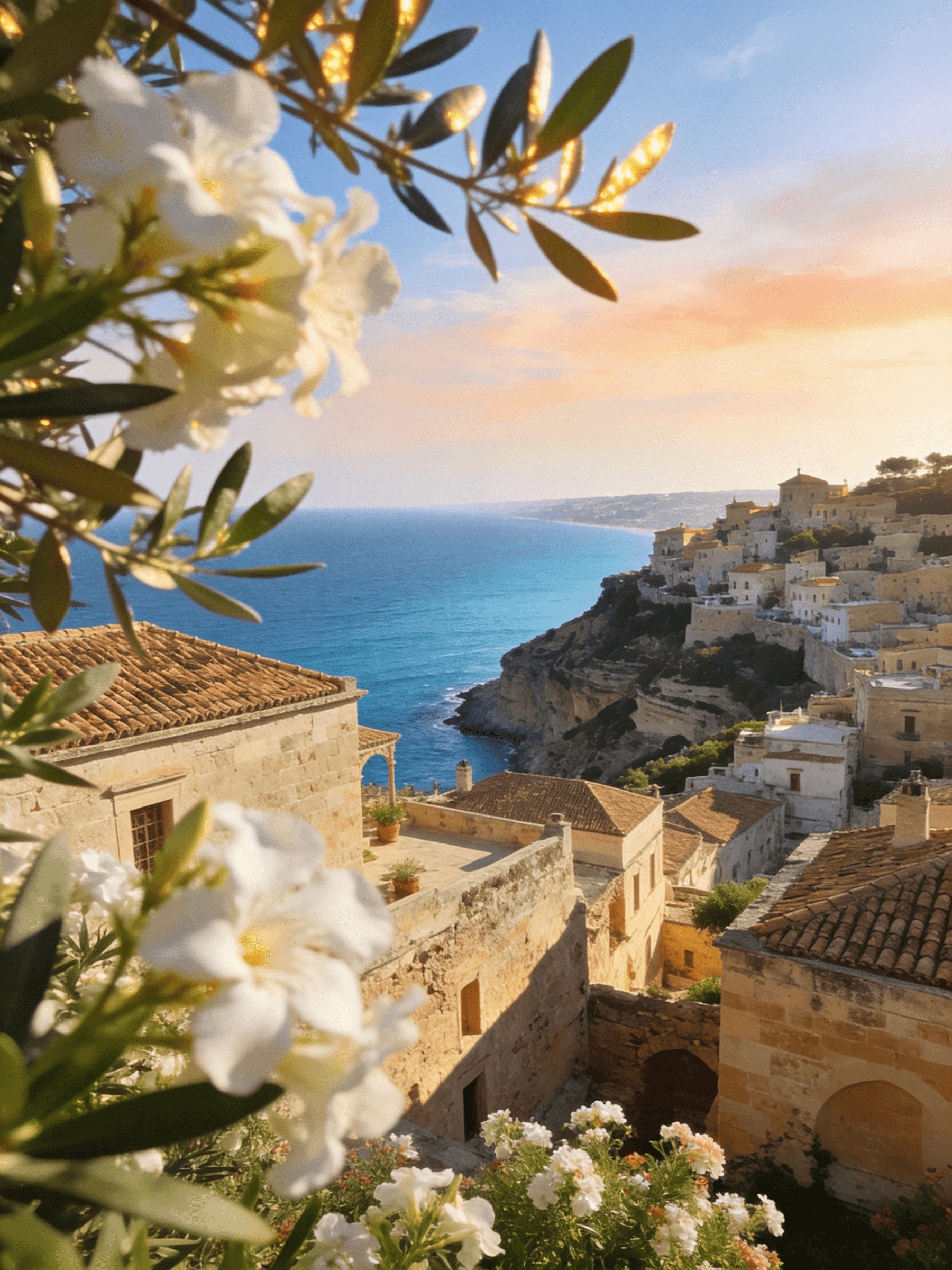
Living Among Sunlit Hills and Coastal Views
Across the Mediterranean, the landscape is not simply a backdrop but a defining element of residential design. Villas are often built along gentle slopes or coastal cliffs where architecture follows the contours of the terrain rather than reshaping it. This relationship allows homes to feel rooted in their surroundings, blending stone, earth tones, and greenery into a unified composition.
Morning light over vineyards or golden sunsets across the sea create a daily rhythm that shapes how these homes are experienced. Large terraces, shaded courtyards, and open balconies extend living spaces outdoors, encouraging residents to spend more time immersed in the landscape.
Beyond the views, the environment influences everything from material choices to orientation. Natural stone, clay tiles, and textured plaster echo the tones of the land while also responding to the Mediterranean climate. Together they create homes that feel timeless, relaxed, and deeply connected to place.
Lifestyle
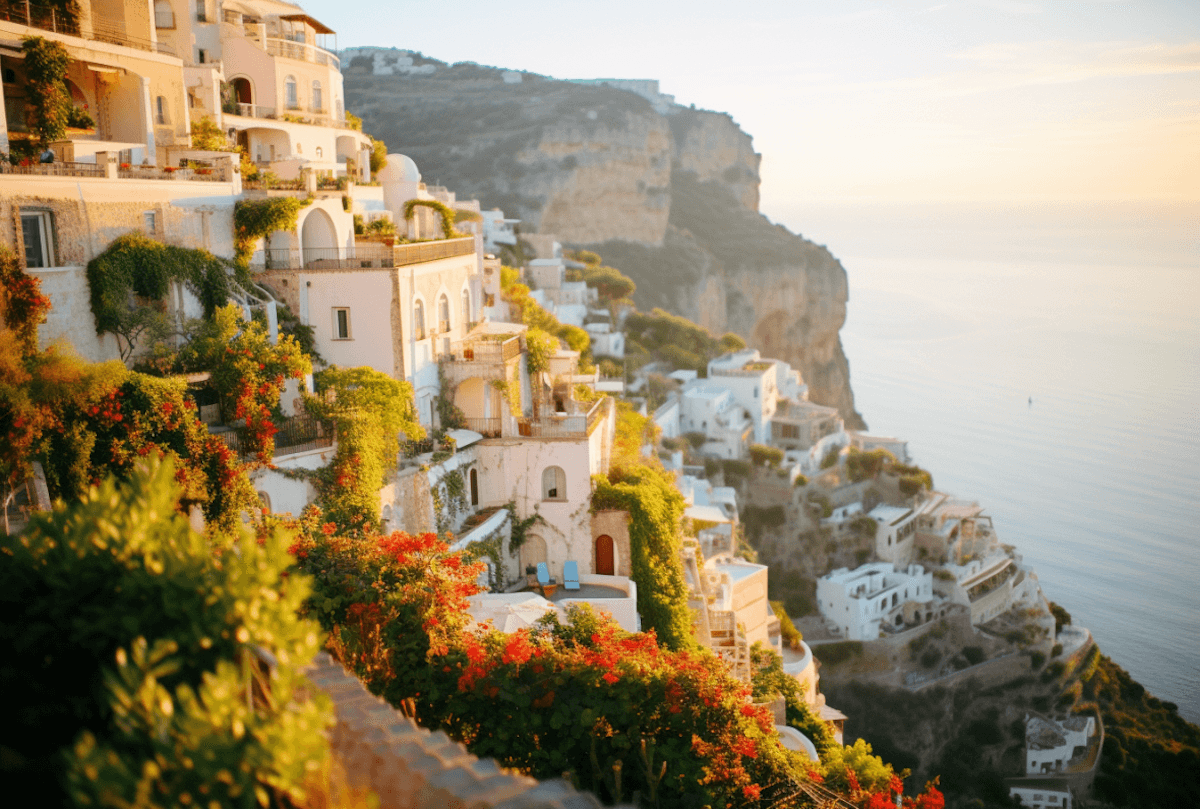
The Quiet Beauty of Hillside Living
These cascading levels do more than solve an architectural challenge — they create opportunities for a richer living experience. A terrace might open toward a sweeping valley view, while a courtyard tucked into the slope becomes a quiet retreat sheltered from the wind. Each level reveals a different relationship with the landscape, allowing the home to unfold gradually rather than all at once.
Light plays an equally important role in hillside homes. Elevated positions often receive more consistent daylight throughout the day, and architects frequently take advantage of this by orienting living spaces toward the most dramatic views and sunlight. Large windows and open terraces invite the outside world in, blurring the boundary between interior and exterior spaces. The result is a home that feels bright, open, and deeply connected to the environment.
Outdoor living also becomes a natural extension of the architecture. Because hillside homes are already shaped by changing levels, designers often transform these elevations into usable outdoor spaces. Terraced gardens, stone pathways, and shaded patios become places for gathering, reflection, and quiet moments overlooking the landscape. Over time, these spaces grow alongside the natural surroundings, becoming even more integrated with the hillside itself.
Architecture
The Timeless Appeal of Mediterranean Architecture
One of the most recognizable features of Mediterranean architecture is its emphasis on form and texture. Curved arches, clay roof tiles, and thick plastered walls create structures that feel both sculptural and grounded. These details are not only aesthetic but also functional, helping regulate temperature and provide shade.
Courtyards play a central role in many designs. Positioned at the heart of the home, they bring light and fresh air into interior spaces while offering a private outdoor retreat. Fountains, greenery, and stone pathways add to the tranquil atmosphere.
Modern interpretations of Mediterranean architecture often preserve these traditional elements while introducing larger openings, minimalist interiors, and sustainable materials. The result is a style that respects its heritage while adapting to contemporary lifestyles.
Interior Design
The Calm Elegance of Mediterranean Interiors
Light is one of the most important elements in Mediterranean interiors. Large windows, tall doors, and open layouts allow sunlight to move freely through the home, creating spaces that feel bright and airy throughout the day.
Natural materials bring warmth and authenticity to each room. Limestone floors, wooden ceiling beams, and textured plaster walls create subtle layers of detail while maintaining a calm visual palette. These materials age gracefully and often become more beautiful over time.
Furniture is typically minimal yet carefully chosen. Comfortable seating, handcrafted tables, and soft textiles create an inviting environment that encourages slow living and social gatherings. The overall effect is an interior that feels serene, balanced, and deeply connected to its surroundings.
Property Insights
What Defines a Truly Exceptional Mediterranean Property
A standout Mediterranean property often begins with its setting. Elevated plots with open views, proximity to the coastline, or quiet hillside locations immediately increase a home's desirability. Orientation toward the sun and natural ventilation also play a significant role in creating comfortable interiors throughout the year.
Equally important is the architectural integrity of the home. Authentic features such as arched openings, terracotta roofs, and handcrafted stonework add character and a sense of heritage. When paired with modern interiors and updated infrastructure, these elements create a property that feels timeless yet functional.
Outdoor living is another defining factor. Spacious terraces, gardens with native vegetation, and private courtyards transform the exterior into an extension of the home. For many buyers, these outdoor spaces are just as valuable as the interiors themselves.
Architecture
The Timeless Appeal of Mediterranean Architecture
One of the most recognizable features of Mediterranean architecture is its emphasis on form and texture. Curved arches, clay roof tiles, and thick plastered walls create structures that feel both sculptural and grounded. These details are not only aesthetic but also functional, helping regulate temperature and provide shade.
Courtyards play a central role in many designs. Positioned at the heart of the home, they bring light and fresh air into interior spaces while offering a private outdoor retreat. Fountains, greenery, and stone pathways add to the tranquil atmosphere.
Modern interpretations of Mediterranean architecture often preserve these traditional elements while introducing larger openings, minimalist interiors, and sustainable materials. The result is a style that respects its heritage while adapting to contemporary lifestyles.
Interior Design
The Calm Elegance of Mediterranean Interiors
Light is one of the most important elements in Mediterranean interiors. Large windows, tall doors, and open layouts allow sunlight to move freely through the home, creating spaces that feel bright and airy throughout the day.
Natural materials bring warmth and authenticity to each room. Limestone floors, wooden ceiling beams, and textured plaster walls create subtle layers of detail while maintaining a calm visual palette. These materials age gracefully and often become more beautiful over time.
Furniture is typically minimal yet carefully chosen. Comfortable seating, handcrafted tables, and soft textiles create an inviting environment that encourages slow living and social gatherings. The overall effect is an interior that feels serene, balanced, and deeply connected to its surroundings.
Property Insights
What Defines a Truly Exceptional Mediterranean Property
A standout Mediterranean property often begins with its setting. Elevated plots with open views, proximity to the coastline, or quiet hillside locations immediately increase a home's desirability. Orientation toward the sun and natural ventilation also play a significant role in creating comfortable interiors throughout the year.
Equally important is the architectural integrity of the home. Authentic features such as arched openings, terracotta roofs, and handcrafted stonework add character and a sense of heritage. When paired with modern interiors and updated infrastructure, these elements create a property that feels timeless yet functional.
Outdoor living is another defining factor. Spacious terraces, gardens with native vegetation, and private courtyards transform the exterior into an extension of the home. For many buyers, these outdoor spaces are just as valuable as the interiors themselves.
Places & Landscapes
Living Among Sunlit Hills and Coastal Views
Across the Mediterranean, the landscape is not simply a backdrop but a defining element of residential design. Villas are often built along gentle slopes or coastal cliffs where architecture follows the contours of the terrain rather than reshaping it. This relationship allows homes to feel rooted in their surroundings, blending stone, earth tones, and greenery into a unified composition.
Morning light over vineyards or golden sunsets across the sea create a daily rhythm that shapes how these homes are experienced. Large terraces, shaded courtyards, and open balconies extend living spaces outdoors, encouraging residents to spend more time immersed in the landscape.
Beyond the views, the environment influences everything from material choices to orientation. Natural stone, clay tiles, and textured plaster echo the tones of the land while also responding to the Mediterranean climate. Together they create homes that feel timeless, relaxed, and deeply connected to place.
Receive new articles, architectural insights, and design inspiration directly from the Casa Verde Journal.
Join a growing community of readers who value thoughtful architecture, meaningful living spaces, and timeless design.